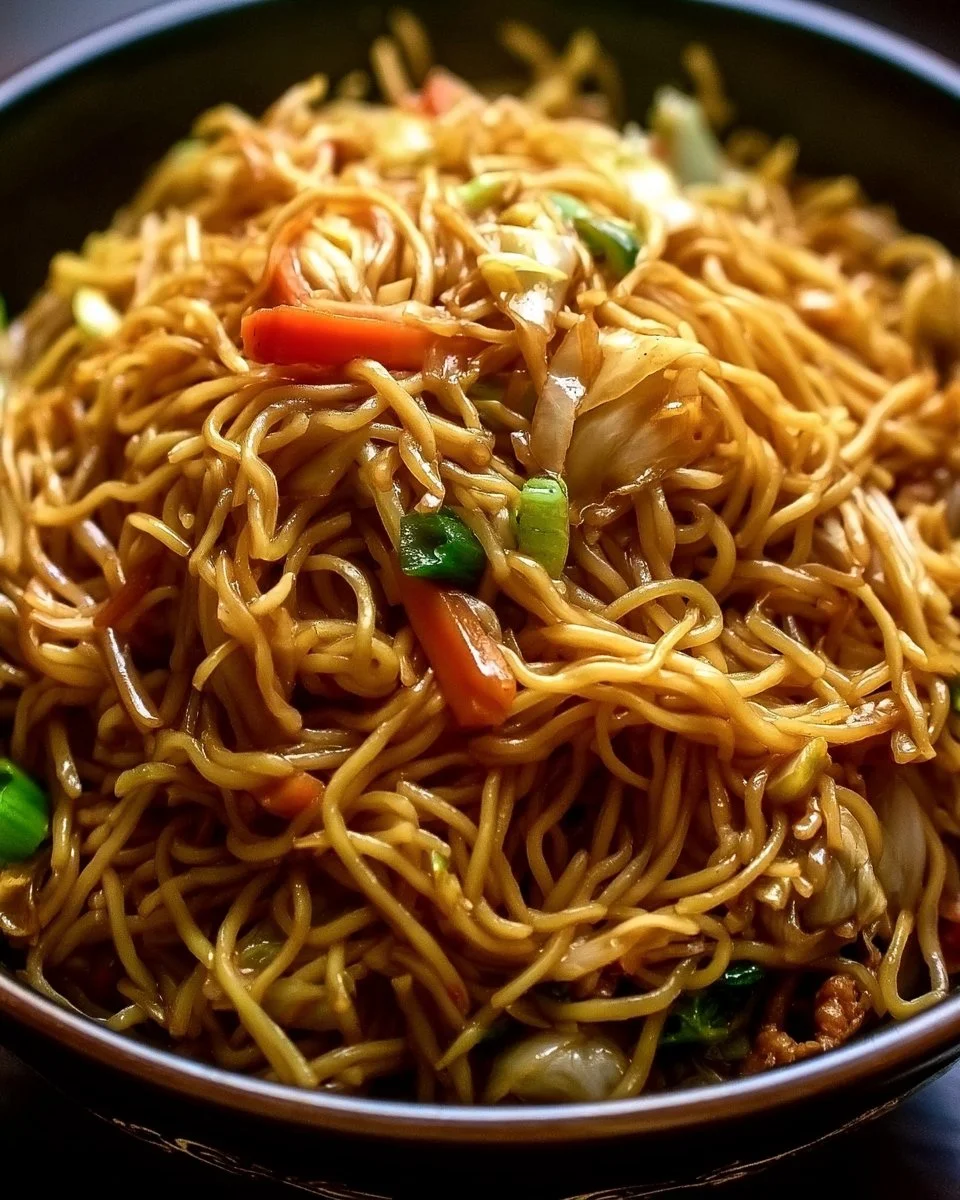
Chow Mein Easy Copycat Recipe
Chow Mein is not just a quick dinner; it’s a nostalgic comfort food for many. My first bite of takeout chow mein took me back to family gatherings packed with laughter, rich flavors, and exciting aromas. When making this Better-Than-Takeout Panda Express Chow Mein at home, I can achieve that same mouthwatering experience, but with fresher ingredients and a personal touch. This recipe not only caters to those late-night cravings but is also a fantastic choice for weeknight dinners when you want something satisfying yet easy to whip up. The combination of crunchy vegetables and savory sauces makes it an irresistible choice. You may also find Orange Chicken Recipe Panda Express Copycat useful.
What Makes This Recipe Special
One of the most appealing aspects of this recipe is its shareability, as it’s a dish loved by kids and adults alike. It’s quick to prepare, which is perfect for busy families looking for something nutritious and delicious. This chow mein is not only better than takeout, but it can also be made on a budget, allowing you to serve up a flavorful meal without overspending. If you love the flavors found in restaurant dishes, this easy copycat recipe will soon become a go-to in your kitchen. For a complete meal, consider pairing it with some cream cheese rangoons.
The Cooking Process Explained
Making your own chow mein is easier than you might think! Start by gathering all the key ingredients to keep the process flowing smoothly. This simple recipe combines yakisoba noodles with vibrant vegetables and a flavorful sauce, creating a delightful dish that delivers crispy textures and a savory experience.
Ingredients
To prepare this incredible chow mein, you’ll need:
- 2 packs dry yakisoba noodles (cooked and drained, discard seasoning packets)
- 3 tablespoons neutral oil (e.g., canola or avocado)
- ½ medium yellow onion (thinly sliced)
- 8 oz green cabbage (finely shredded)
- 2 oz celery stalks (diagonally sliced)
- 1½ tablespoons soy sauce (or tamari for gluten-free)
- 1 tablespoon oyster sauce (or mushroom-based oyster sauce for vegan)
- Optional: ½ teaspoon sesame oil (for extra nuttiness)
- Optional: ⅛ teaspoon white pepper (for subtle heat)
- Optional: ½ teaspoon sugar (to round out savory depth)
With these ingredients in hand, you’re ready to get cooking!
Step-by-Step Instructions
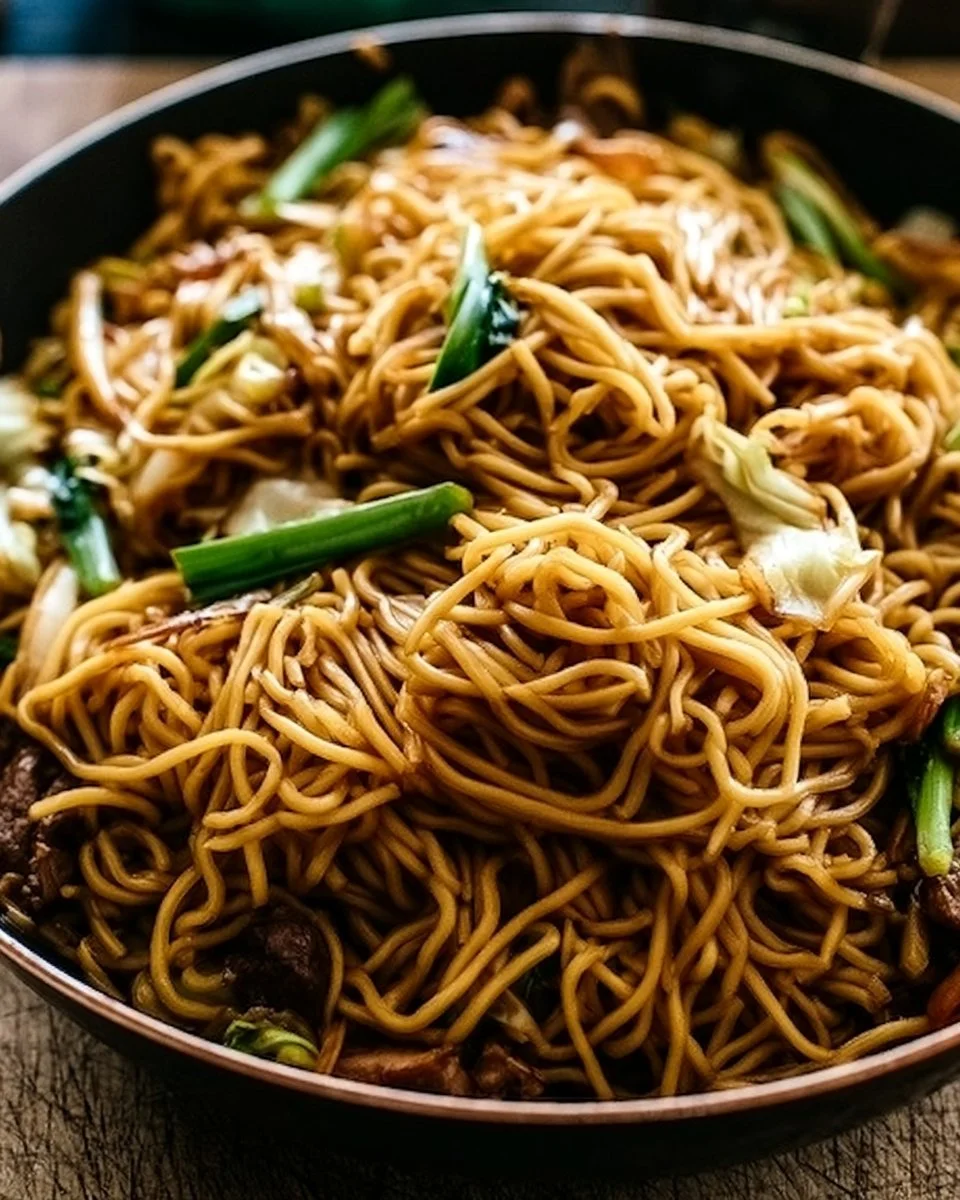
- Prepare the vegetables: Slice the onion and cabbage thin, and cut the celery into angled pieces. Set them aside.
- Soften the noodles: Rinse cooked yakisoba under warm water to loosen, then drain well.
- Heat your pan: Add oil to a large skillet or wok. Heat on high until shimmering.
- Sear the vegetables: Add onions, cabbage, and celery. Cook without stirring for 2–3 minutes until lightly browned.
- Toss and finish veg: Stir to finish cooking for another 2 minutes. Cabbage should wilt but retain some crunch.
- Add noodles: Toss noodles into the pan with veggies using tongs; separate gently if clumped.
- Sauce it up: Pour in soy and oyster sauces. Stir until noodles are evenly coated and glossy.
- Finish & taste: Add sesame oil, sugar, or white pepper to taste. Serve hot.
Pro Tip: Don’t stir too early; allow veggies to char slightly to mimic the takeout “wok hei” flavor that makes chow mein so special.
Best Ways to Enjoy It
Serving this chow mein can be just as fun as making it! You can plate it generously in vibrant bowls, garnishing with sliced green onions or sesame seeds for that extra touch. For a delightful complement, consider serving it alongside grilled chicken or shrimp for added protein. It’s also fantastic with some steamed dumplings on the side.
Storage and Reheating Tips
If you have leftovers, they can last in an airtight container in the fridge for up to three days. To reheat, simply warm it in a skillet on medium heat. For longer-term storage, this dish can be frozen for up to two months. Just remember to prepare your portions beforehand to make defrosting and reheating a breeze!
Helpful Cooking Tips
To elevate your chow mein experience, consider using fresh vegetables when possible. The crunchiness of fresh cabbage and crisp celery adds not just flavor but also essential nutrients. Always taste your sauces before adding them to the noodles to adjust the seasoning to your liking.
Creative Twists
Don’t hesitate to explore flavors! You might add bell peppers for extra sweetness, or swap out the vegetables for seasonal options. For a unique kick, think about drizzling in some chili oil or adding a handful of bean sprouts during the last minute of cooking for added texture.
Your Questions Answered
How long does it take to prepare this chow mein?
Prep and cooking time combined are about 25 minutes.
Can I use different types of noodles?
Absolutely! You can substitute with other stir-fry noodles, just remember to check the cooking times.
How do I store leftovers safely?
Store in an airtight container in the fridge, and it should be consumed within three days.
Is this recipe suitable for vegetarians?
Yes! Just use mushroom-based oyster sauce and you’re all set for a vegetarian-friendly meal.
Conclusion
There’s nothing quite like dining out for Chinese food, but this Better-Than-Takeout Panda Express Chow Mein can easily bring those delectable flavors to your home kitchen. For another delightful dish that carries the essence of restaurant quality, explore the classic take on Panda Express Chow Mein. You’ll appreciate how easy it is to create these comforting meals yourself!
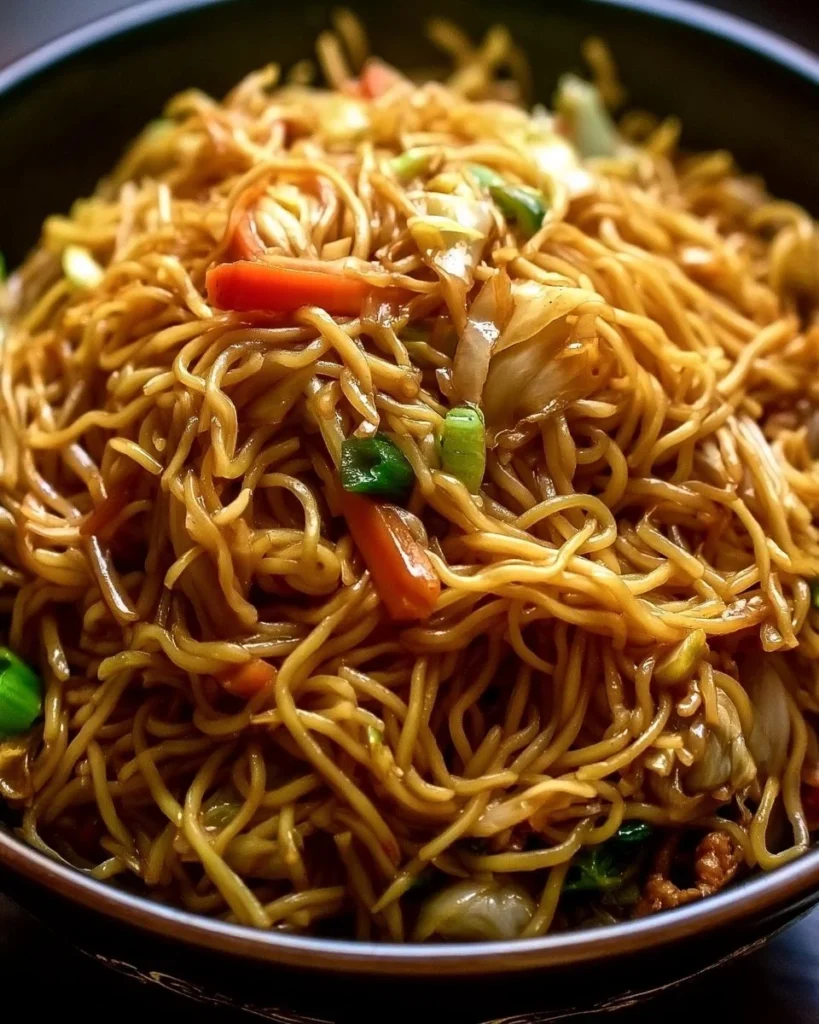
Chow Mein
Ingredients
Method
- Prepare the vegetables: Slice the onion and cabbage thin, and cut the celery into angled pieces. Set them aside.
- Soften the noodles: Rinse cooked yakisoba under warm water to loosen, then drain well.
- Heat your pan: Add oil to a large skillet or wok. Heat on high until shimmering.
- Sear the vegetables: Add onions, cabbage, and celery. Cook without stirring for 2-3 minutes until lightly browned.
- Toss and finish veg: Stir to finish cooking for another 2 minutes. Cabbage should wilt but retain some crunch.
- Add noodles: Toss noodles into the pan with veggies using tongs; separate gently if clumped.
- Sauce it up: Pour in soy and oyster sauces. Stir until noodles are evenly coated and glossy.
- Finish & taste: Add sesame oil, sugar, or white pepper to taste. Serve hot.