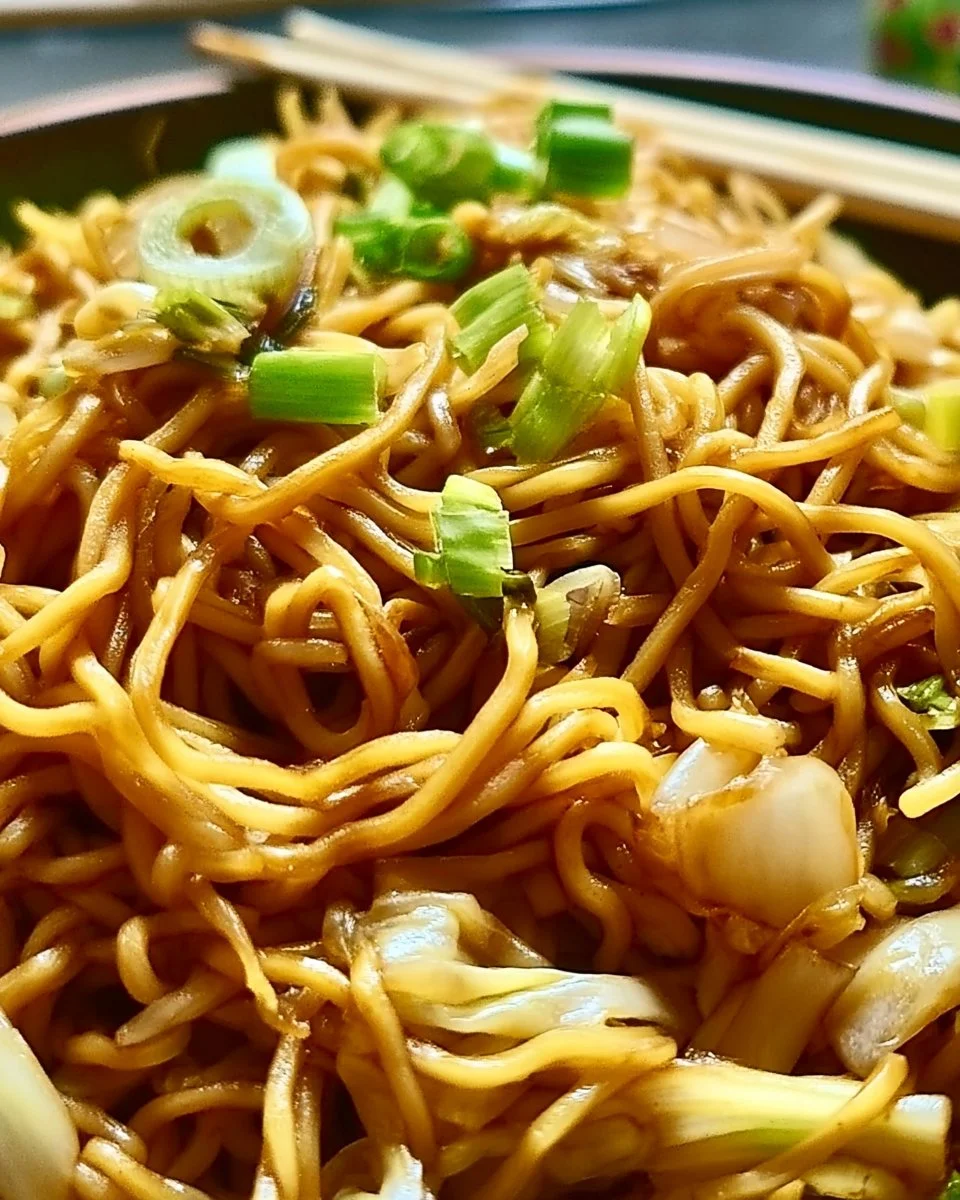
Chow Mein Easy Copycat Panda Express
Chow Mein is a beloved dish that brings the vibrant flavors of Chinese cuisine right to your home kitchen. This Better-Than-Takeout Panda Express Chow Mein recipe is not only a quick meal solution but also a delightful way to feed the family with a combination of tender noodles and colorful vegetables. People often whip up this dish when they crave something quick and satisfying, making it perfect for busy weeknights or casual gatherings. With its delicious taste and budget-friendly ingredients, it’s no wonder that this recipe is a favorite among many. You may also find Orange Chicken Recipe Panda Express Copycat useful.
Why You’ll Love This Dish
One of the standout features of this recipe is its incredible speed and simplicity. In less than 30 minutes, you can prepare a dish that rivals your local takeout. The secret lies in using dry yakisoba noodles, which absorb the flavorful sauces beautifully. Not only is this chow mein easy to make, but it’s also highly customizable; you can add leftover chicken, shrimp, or even different vegetables according to what you have on hand. If you’re a fan of creamy, crunchy textures, you’ll be pleased to know that this dish pairs wonderfully with a side of cream cheese rangoons.
The Cooking Process Explained
To start making this Chow Mein, prep is essential. It’s a straightforward cooking method that allows for a quick assembly of flavors. You’ll first set the stage by preparing your vegetables, then focus on softening your noodles, and finally, bring it all together with a delicious coating of sauce.
What You’ll Need
Gather these ingredients to create your Chow Mein:
- 2 packs dry yakisoba noodles (cooked and drained; discard seasoning packets)
- 3 tablespoons neutral oil (e.g., canola or avocado)
- ½ medium yellow onion (thinly sliced)
- 8 oz green cabbage (finely shredded)
- 2 oz celery stalks (diagonally sliced)
- 1½ tablespoons soy sauce (or tamari for gluten-free)
- 1 tablespoon oyster sauce (or mushroom-based oyster sauce for vegan)
- Optional: ½ teaspoon sesame oil (for extra nuttiness)
- Optional: ⅛ teaspoon white pepper (for subtle heat)
- Optional: ½ teaspoon sugar (to round out savory depth)
Step-by-Step Instructions
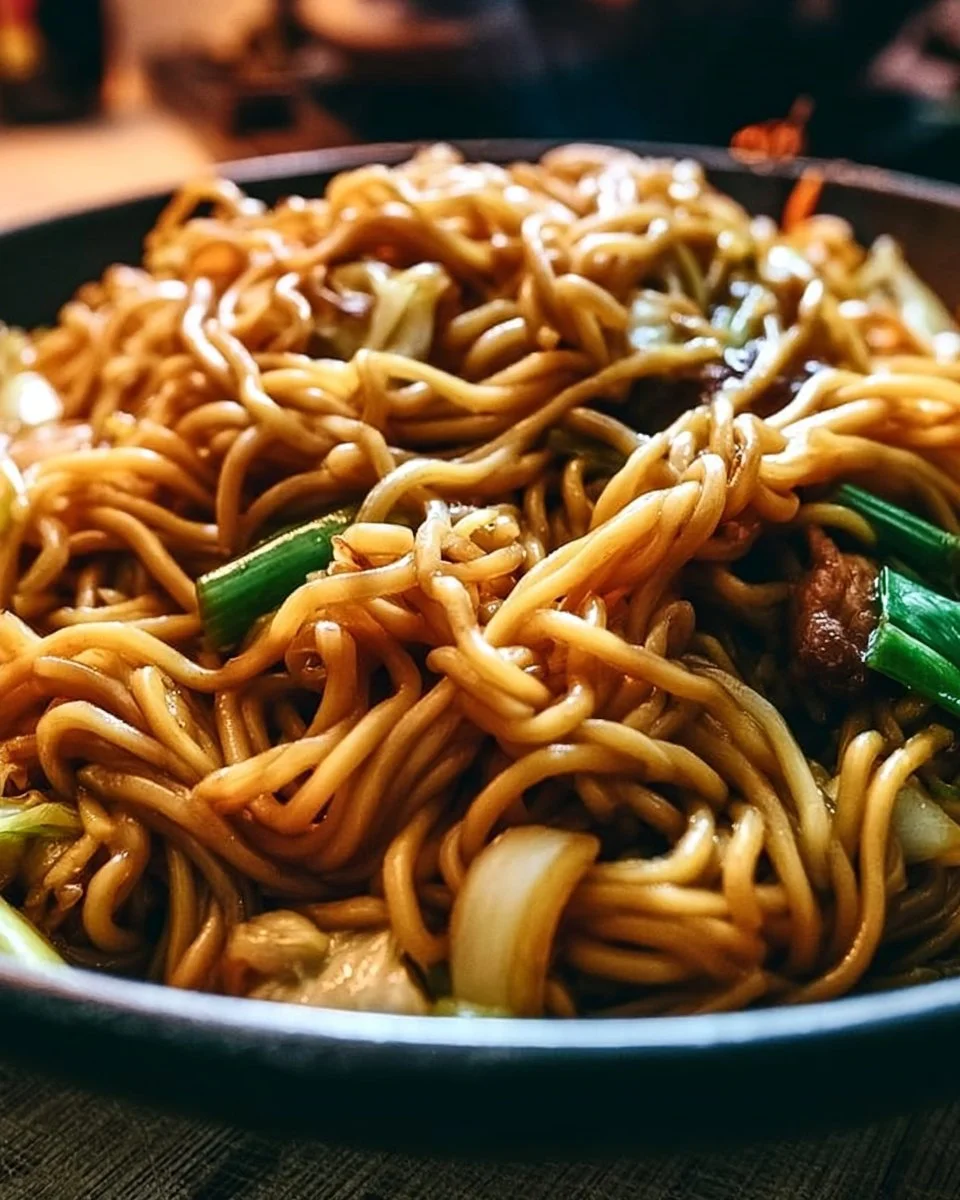
- Prepare the veggies: Slice the onion and cabbage thinly; cut celery into angled pieces. Set aside.
- Soften the noodles: Rinse the cooked yakisoba under warm water to loosen, then drain well.
- Heat your pan: Add oil to a large skillet or wok. Heat on high until shimmering.
- Sear the vegetables: Add onions, cabbage, and celery. Cook without stirring for 2–3 minutes until lightly browned.
- Toss and finish the veggies: Stir to finish cooking for another 2 minutes. Cabbage should wilt but retain some crunch.
- Add noodles: Toss noodles into the pan with veggies using tongs; separate gently if clumped.
- Sauce it up: Pour in the soy and oyster sauces. Stir until noodles are evenly coated and glossy.
- Finish & taste: Add sesame oil, sugar, or white pepper to taste. Serve hot.
Pro Tip: Don’t stir too early—allow veggies to char slightly for that coveted takeout "wok hei" flavor.
Best Ways to Enjoy It
Chow Mein is versatile and can be served in various ways. Dress up your dish by garnishing with sliced green onions, toasted sesame seeds, or even crushed peanuts for added crunch. Pair it with protein like grilled chicken or shrimp to round out your meal. This dish goes great with steamed dumplings or a crisp salad for a complete feast.
How to Store & Freeze
To keep your Chow Mein fresh, store any leftovers in an airtight container in the refrigerator for up to 3 days. When reheating, add a splash of water or broth to prevent the noodles from drying out. If you’re looking to freeze it, place the cooled chow mein in a freezer-safe container; it can be frozen for up to a month. However, keep in mind that the texture of the vegetables may change once thawed.
Helpful Cooking Tips
Achieve the best results with these simple tips:
- For extra flavor, consider marinating your protein in some of the soy sauce before adding it to the dish.
- If you prefer more ‘wok hei,’ use a cast-iron skillet for a high-heat sear.
- Don’t shy away from mixing in more vegetables; bell peppers, snap peas, and carrots can all be lovely additions.
Flavor Swaps
Feel free to experiment by swapping ingredients! Add more depth with sauces like hoisin or teriyaki, or try incorporating cooked egg or tofu for proteins. If you’re after a spicier kick, whisk in some chili paste or Sriracha to your sauce mix.
FAQs
How long does it take to make Chow Mein?
This dish can be on your table in about 20-30 minutes, making it a quick and satisfying meal option.
What type of noodles can I use?
While dry yakisoba noodles are recommended for their texture, you can substitute with egg noodles or even gluten-free options if you prefer.
Can I make this vegan?
Absolutely! Simply replace the oyster sauce with a mushroom-based option, and you’re all set.
How should I store leftovers?
Store any leftovers in an airtight container in the refrigerator for up to 3 days, or freeze for up to a month.
Conclusion
By making this Better-Than-Takeout Panda Express Chow Mein recipe, you not only satisfy your cravings but also enjoy the fun of cooking, all in the comfort of your home. For another delicious takeout-inspired dish, try out this classic Panda Express Chow Mein version, perfect for those evenings when you want something quick and utterly delicious.
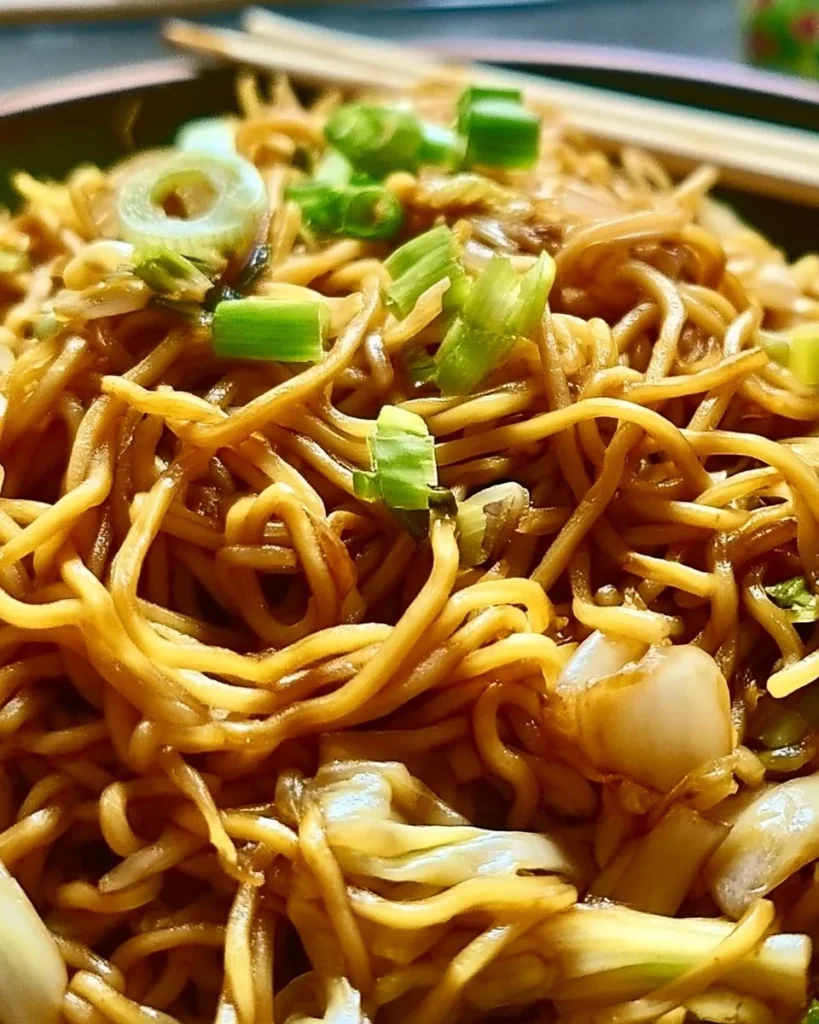
Panda Express Chow Mein
Ingredients
Method
- Slice the onion and cabbage thinly; cut celery into angled pieces. Set aside.
- Rinse the cooked yakisoba under warm water to loosen, then drain well.
- Add oil to a large skillet or wok. Heat on high until shimmering.
- Add onions, cabbage, and celery. Cook without stirring for 2–3 minutes until lightly browned.
- Stir to finish cooking for another 2 minutes. Cabbage should wilt but retain some crunch.
- Toss noodles into the pan with veggies using tongs; separate gently if clumped.
- Pour in the soy and oyster sauces. Stir until noodles are evenly coated and glossy.
- Add sesame oil, sugar, or white pepper to taste. Serve hot.